
LURA – THE STAR FROM CAPE VERDE IN WROCŁAW
Ethno Jazz Festival invites you to Wrocław for a special concert by LURA, a world music star from Cape Verde. Widely regarded as the successor to the legendary Cesaria Evora, she will perform at Stary Klasztor on 22 September. LURA embodies Lusophone music, bringing together influences from Portugal, Cape Verde and Africa. Tenderness, sentiment, grace and a joy for life all come together in one person, alongside extraordinary energy and talent!
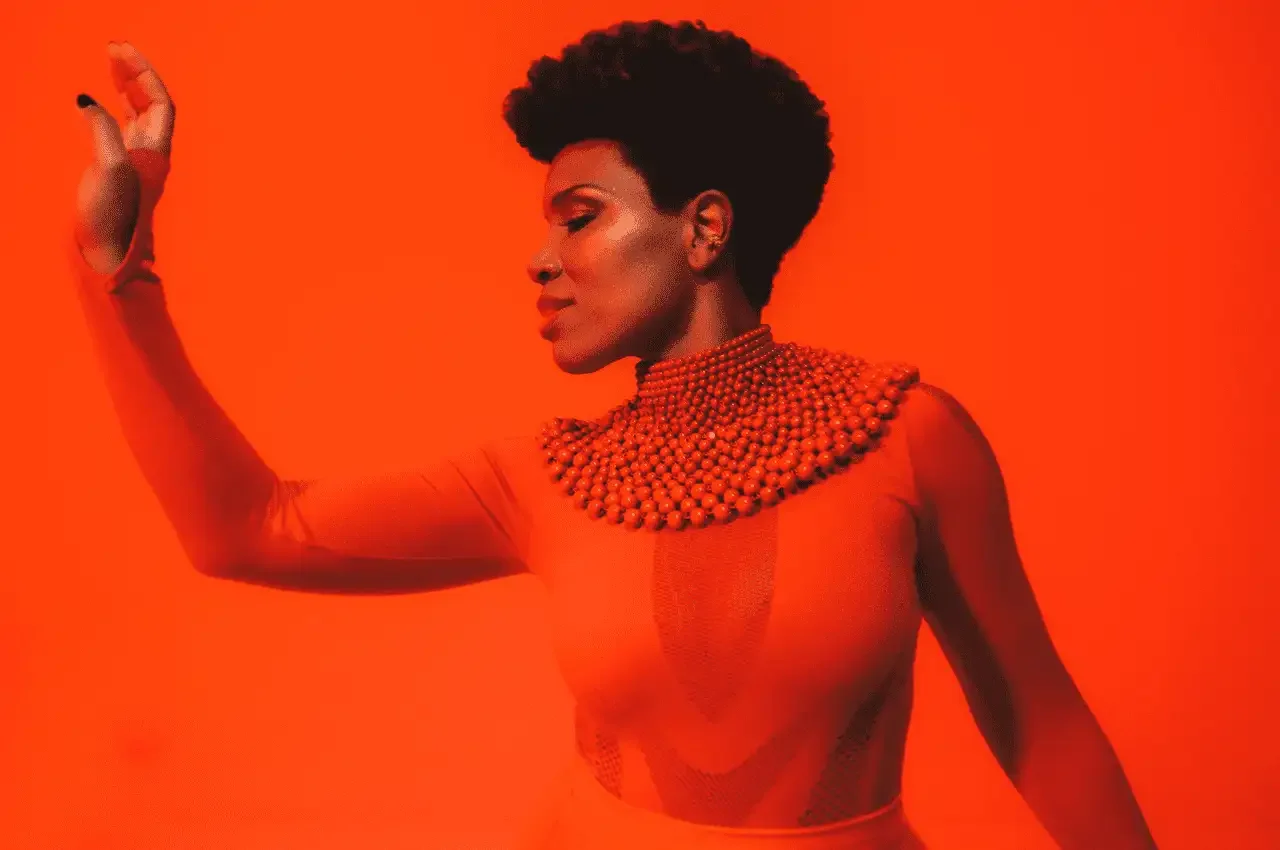
TENDERNESS, SENTIMENT AND CHARM
22 September 2024
Poland discovered Lura through “Siesta”, where Marcin Kydryński first introduced her and her music to listeners. Now there is an excellent opportunity to see her live, as she has released new material. Angelique Kidjo has joined her previous musical collaborators, including Cesaria Evora, Tito Paris, Bonga and Paulo Flores.
Lura goes beyond the tradition of Cape Verdean music: she appeared in Saura's film “Fados” and sang Argentine tangos with Gotan Project. The artist captivates audiences around the world with her rich sounds, the power of her musical experiences, her charm and her distinctive voice.
LURA’S BIOGRAPHY
She sings the praises of a land where she was not born. She speaks and sings in a language she learned from friends at school. She dreamed of dancing, and her latest achievements clearly position her as a successor to the great Evora.
Lura was born in 1975, coincidentally the year her parents’ Cape Verde finally ceased being a Portuguese colony. Her father came to Lisbon from Santiago, Cabo Verde’s largest island, and her mother from mountainous, green Sao Nicolau. Neither had close musical connections, although, like most Cape Verdean emigrants, both listened to mornas sustaining invisible yet powerful emotional bonds with their petit pays.
Lisbon’s Benfica district offered a taste of the islands, particularly around Poço dos Negros, the Well of the Black People, full of shops, small restaurants and especially nightclubs pulsing with African rhythms. As Lura attends school and picks up her first Creole words from friends, she does not yet know she will sing career-defining songs in that language. She does not even think about singing: she dreams of dancing while earning a living teaching… swimming. As some say, “music pulled her out of the water”.
Juka, a Lisbon-based star of African music, particularly the catchy zouk so popular with young listeners, invites Lura to take part in his new album. Lura is seventeen and assumes she will be singing backing vocals, but, to her surprise, Juka offers her a duet. The album is a success, and Lura immediately attracts the attention of Lusophone artists, including the widely acclaimed Tito Paris and Paulino Vieira, who spent many years leading Evora’s own band.
Lura continues trying to work in theatre, but when her first solo album appears, her life’s direction seems decided. Although it is fairly commercial and aimed at youthful tastes, Nha Vida (My Life) cuts through the disco rhythms and reaches the “Red Hot + Lizbon” compilation. On this record, the artistic world’s contribution to fighting AIDS, Lura’s name appears alongside musical heavyweights such as Brazilians Caetano Veloso and Marisa Monte and Madredeus singer Teresa Salgueiro.
Lura is just turning 21, and the decisive moment finally arrives. Mulemba Xangola, a song recorded with Angola's Bonga, the first performer of the famous “Sodade”, catches the attention of José da Silva. The leading producer and promoter of Lusophone music, and the architect of Cesaria Evora's success, takes her under Lusafrica's wing. In 2002, Lura makes another solo album, still aimed at the younger generation of the Cape Verdean diaspora.
It is easy to spot two tracks written by the young Tcheka, now regarded as a major hope for Cape Verdean music. Lura is increasingly collaborating with established musicians. She also sings backing vocals on Cesaria Evora’s albums and, in 2004, finally joins her on tour, opening her concerts, including at the Grand Rex in Paris. That same year brings another album, Di Korpu ku Alma (Body and Soul), and almost everything falls into place. Carefully chosen material, including songs by Orlando Pantera, highly esteemed on the islands; a clear connection to Cape Verde’s roots and traditions; and the languages: Badiu from Santiago, her father’s home island, and Barlavento Creole. A mature, slightly husky voice and accomplished original songs, a rarity among Cape Verde’s women singers.
Evora’s successor! The past two years have brought dozens of international concerts, new recordings and videos. Her latest album, last year’s M’bem di fora, seems to confirm the ambitions of this young Creole woman, or Portuguese woman of Cape Verdean origin, who says she is now proud to speak and write songs in authentic crioulo, her ancestors’ language. Perhaps that is partly why she became the godmother this year of… a new aircraft for TACV, Cape Verde’s national airline? Lura says of Cesaria: “She opened the door for us.” Cesaria says of Lura: “She is my child, my successor!” Could there be a better recommendation?
Prepared by Elżbieta Sieradzińska from Lusafrica materials
Listen and watch
Event details
LURA
Data: 22.09.2024
Godzina: 19:30
Adres: STARY KLASZTOR
ul. Purkyniego 1, Wrocław
22 September 2024
19:30
STARY KLASZTORul. Purkyniego 1Wrocław
Dane z dawnej strony LIONSTAGE.
Ethno Jazz Festival zaprasza do Wrocławia na wyjątkowy koncert LURY – gwiazdy world music pochodzącej z Wysp Zielonego Przylądka. Artystka, uważana za następczynię legendarnej Cesarii Evory, wystąpi 22 września w Starym Klasztorze. LURA to kwintesencja muzyki luzofońskiej, łącząca wpływy Portugalii, Wysp Zielonego Przylądka i Afryki. Czułość, sentyment, wdzięk oraz radość życia – to wszystko w jednej osobie. Do tego niesamowity temperament i talent! Polska poznała Lurę dzięki audycji „Siesta”, gdzie Marcin Kydryński jako pierwszy przedstawił ją i jej muzykę słuchaczom. Teraz nadarza się doskonała okazja, by zobaczyć ją na żywo, ponieważ Lura wydała nowy materiał. Do grona jej dotychczasowych muzycznych współpracowników, takich jak Cesaria Evora, Tito Paris, Bonga, Paulo Flores, dołączyła Angelique Kidjo. Lura wychodzi poza tradycję muzyki kabowerdyjskiej – grała w filmie „Fados” w reżyserii Saury i śpiewała argentyńskie tanga z Gotan Project. Artystka zaraża publiczność na całym świecie bogactwem brzmień, mocą muzycznych doświadczeń, urokiem oraz niepowtarzalnym głosem. BIOGRAFIA LURY Opiewa ziemię, na której się nie urodziła. Mówi i śpiewa w języku, którego nauczyła się od przyjaciół w szkole. Marzyła, żeby tańczyć, a jej ostatnie dokonania wyraźnie stawiają ją na pozycji następczyni wielkiej Evory. Lura przyszła na świat w roku 1975. W roku – co za ciekawy zbieg okoliczności – w którym kraj jej rodziców, Wyspy Zielonego Przylądka, wreszcie przestaje być portugalską kolonią. Ojciec przyjechał do Lizbony z największej wyspy Cabo Verde, Santiago, a matka z górzystej, zielonej Sao Nicolau. Żadne z nich nie miało bliższych związków z muzyką, choć, jak większość kabowerdyjskich emigrantów oboje słuchali morn, które podtrzymywały niewidzialne, a tak silne, emocjonalne więzy z petit pays. Namiastką Wysp w Lizbonie była dzielnica Benfica, a dokładniej okolice ulicy Poço dos Negros, Studni Czarnych, pełnej sklepików, restauracyjek, a zwłaszcza nocnych klubów, tętniących afrykańskimi rytmami. Gdy Lura idzie do szkoły i podchwytuje od przyjaciół pierwsze kreolskie słowa jeszcze nie wie, że to w tym języku zaśpiewa piosenki, które zadecydują o jej przyszłości. O śpiewaniu zresztą w ogóle nie myśli: marzy o tańcu, choć na życie zarabia ucząc… pływania. Jak mówią niektórzy „z wody wyciągnęła ją muzyka”. Juka, lizbońska gwiazda afrykańskiej muzyki, głównie chwytliwego i niezwykle popularnego wśród młodzieży zouku, proponuje Lurze udział w nagraniu jego nowej płyty. Lura ma siedemnaście lat i sądzi, że zaśpiewa w chórku, ale o dziwo Juka proponuje jej duet. Płyta odnosi sukces, a Lura? Natychmiast przyciąga uwagę lusofońskich artystów: powszechnie uznanego Tito Parisa czy Paulino Vieiry, przez długi czas kierującego zespołem samej Evory. Lura nadal próbuje wiązać się z teatrem, ale gdy ukazuje się jej pierwsza solowa płyta, kierunek jej życiowej drogi zdaje się być przesądzony. I choć jest to płyta dość komercyjna, obliczona na młodzieżowe gusta, piosenka Nha Vida (Moje życie) zdecydowanie przebija się przez dyskotekowe rytmy i trafia na składankę „Red Hot + Lizbon”. Na tej płycie, będącej wkładem artystycznego świata w walkę z AIDS nazwisko Lury pojawia się obok takich tuzów muzyki jak Brazylijczycy Caetano Veloso i Marisa Monte czy pieśniarka zespołu Madredeus, Teresa Salgueiro. Lura właśnie kończy 21 lat. I wreszcie przychodzi moment decydujący. Piosenkę Mulemba Xangola, nagraną wspólnie z Angolańczykiem Bongą, pierwszym wykonawcą słynnego „Sodade” wychwytuje i przyjmuje pod skrzydła Lusafriki José da Silva, nr 1 wśród producentów i promotorów muzyki lusofońskiej, twórca sukcesów Cesarii Evory. W 2002 powstaje kolejna solowa płyta Lury, wciąż jeszcze przeznaczona dla młodszej generacji kabowerdyjskiej diaspory. Nietrudno jednak zauważyć na niej dwa tytuły, które wyszły spod ręki dziś uznanej już nadziei muzyki Cabo Verde, młodego Tcheki. Lura coraz częściej współpracuje z uznanymi muzykami. Jako chórzystka bierze też udział w nagraniach płyt Cesarii Evory i wreszcie, w 2004 roku, rusza z nią w świat, występując w pierwszej części jej koncertów (np.w Grand Rex w Paryżu). Ten sam rok, kolejna płyta Di Korpu ku Alma (Ciałem i duszą) i prawie wszystko jest już jasne. Starannie dobrany repertuar (piosenki bardzo cenionego na Wyspach Orlando Pantery), czytelne nawiązanie do źródeł i tradycji Wysp Zielonego Przylądka, język – badiu z Santiago, rodzinnej wyspy ojca i kreolski z Barlavento. Dojrzały, lekko matowy głos, udane, własne kompozycje (rzadkość wśród śpiewających na Cabo Verde pań). Następczyni Evory! Ostatnie dwa lata to już dziesiątki koncertów za granicą, nowe nagrania, wideoklipy. Ostatnia, ubiegłoroczna płyta M’bem di fora zdaje się potwierdzać ambicje tej młodej Kreolki, czy też Portugalki pochodzenia kabowerdyjskiego, która, jak sama twierdzi, jest dziś dumna, że mówi i pisze piosenki w prawdziwym crioulo, języku jej ojców. Może właśnie dlatego między innymi została w tym roku matką chrzestną…nowego samolotu TACV, narodowych linii Wysp Zielonego Przylądka? O Cesarii Lura mówi: „Ona otworzyła nam drzwi”. Cesaria o Lurze: „To moje dziecko, moja następczyni!”. Czyż trzeba lepszej rekomendacji? Na podstawie materiałów Lusafrica opracowała Elżbieta Sieradzińska BILETY
Wiadomości