LIONSTAGE / ABOUT US

ABOUT US

From small clubs to Europe's biggest stages. Since 1996, we have stayed close to music, artists and the people who shape the music industry.

People connected by music

LIONSTAGE was founded in Wrocław in 1996 by Tomasz Lektarski, a music promoter and cultural manager. We are a team of experienced promoters, managers and producers, brought together by a love of music, years of friendship, shared energy and trust.

Since 1996, we have brought international music legends and promising new talent to the same stage. We create concerts, festivals and intimate events, taking care of every detail — from artist booking and management to production and logistics. We approach every project with the passion that inspired us at the start.

1996the beginning
1000+events delivered
Wrocławour home
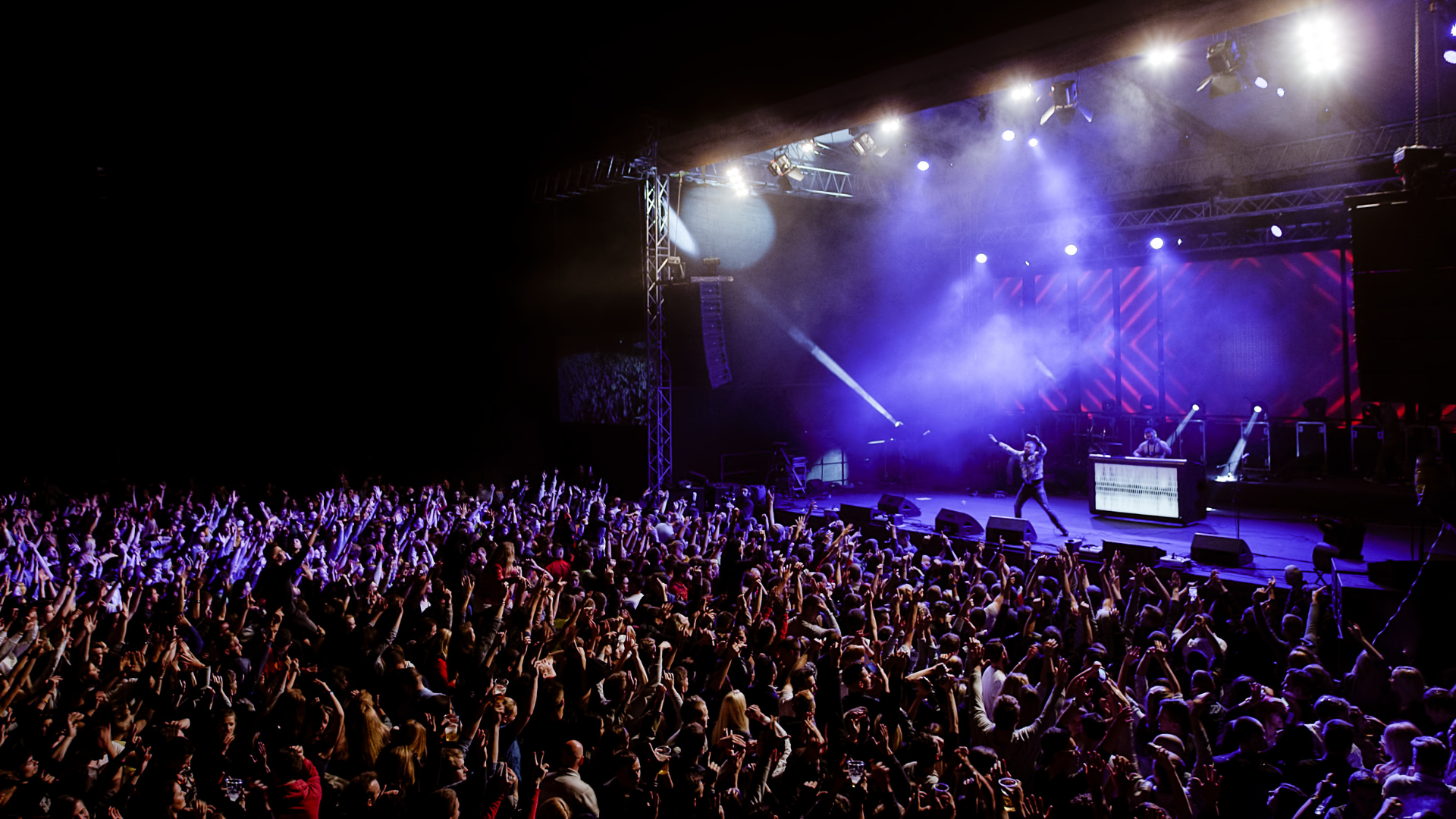
Audience in front of a stage lit by purple and white spotlights.
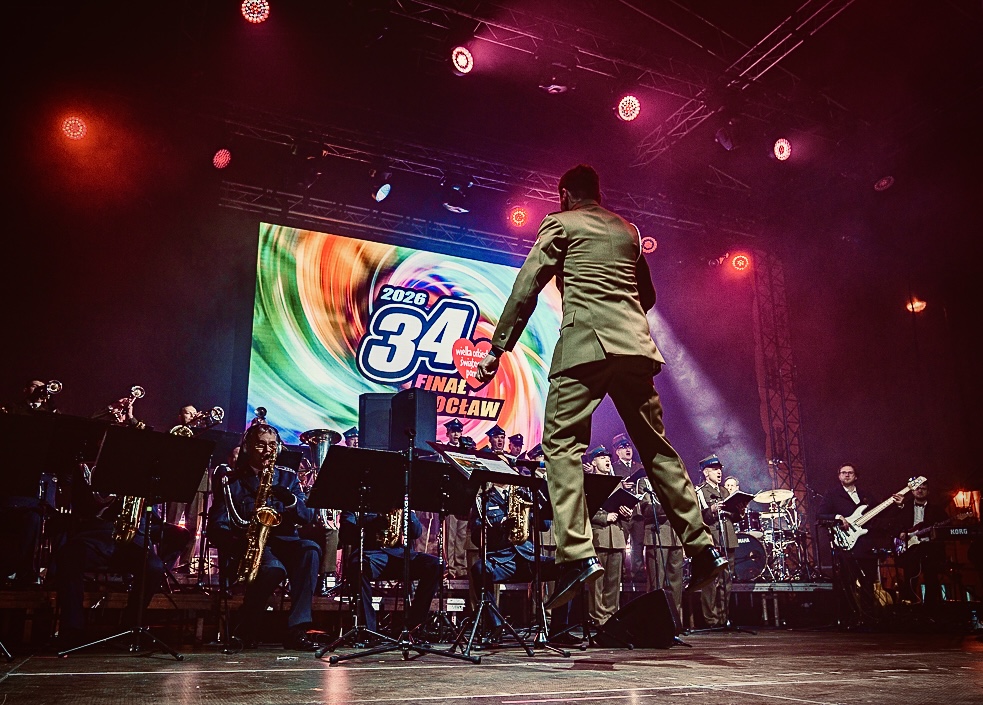
Conductor jumping in front of an orchestra on an illuminated stage.
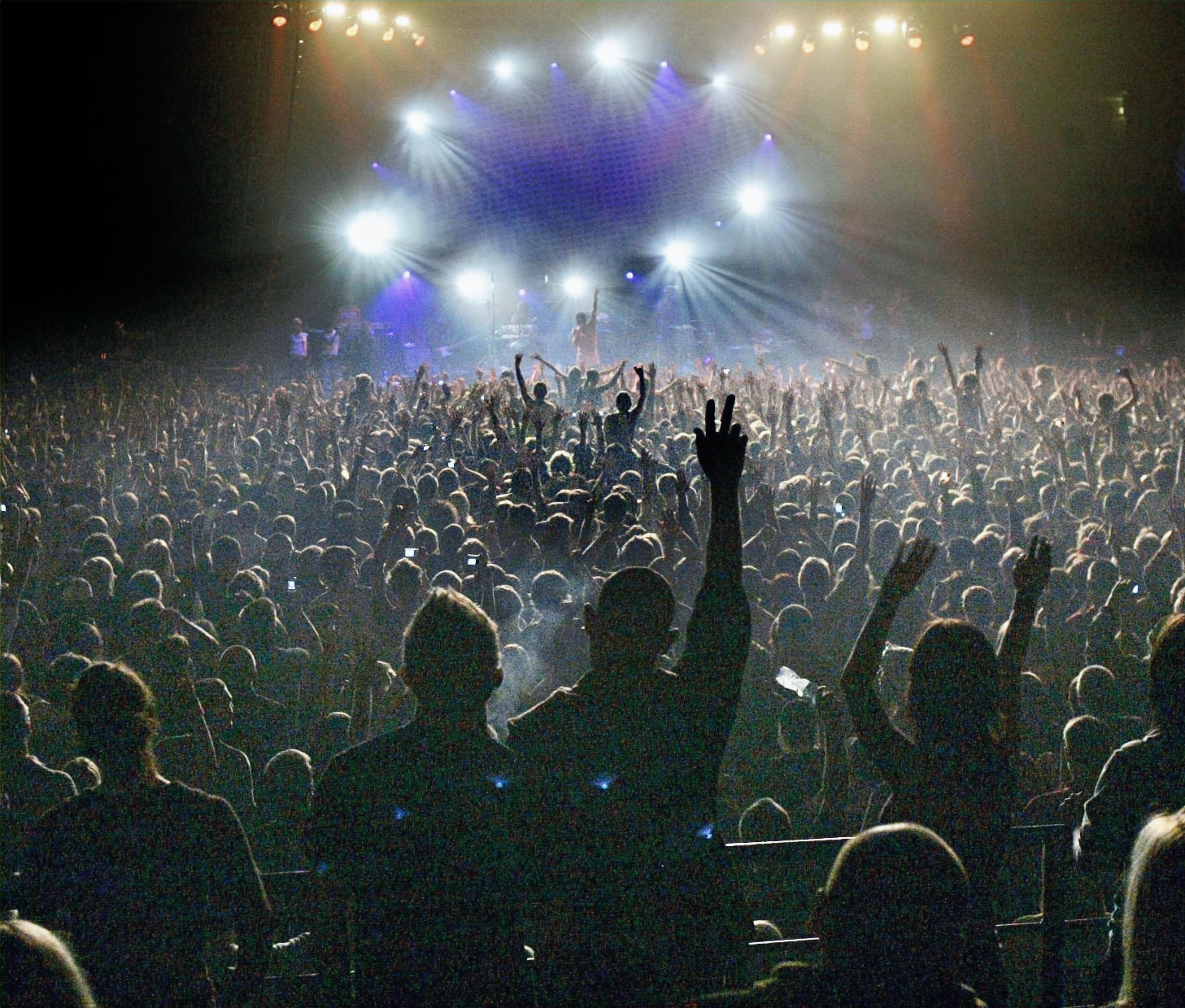
Audience with raised hands in front of a brightly lit stage.
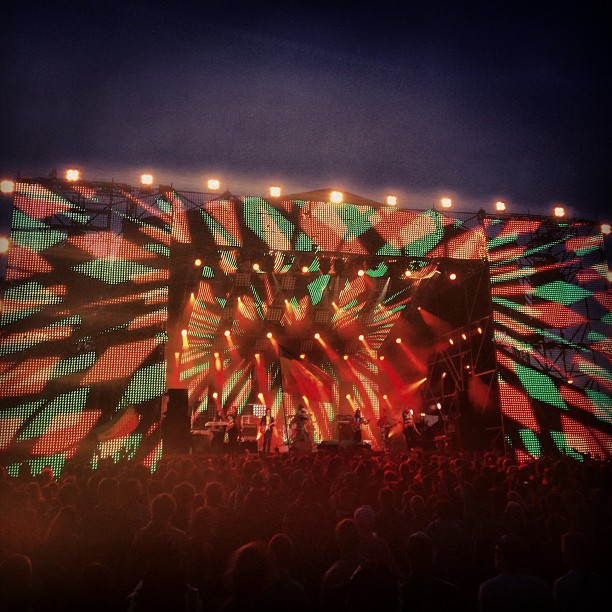
Concert stage with geometric projections in red, green and gold.
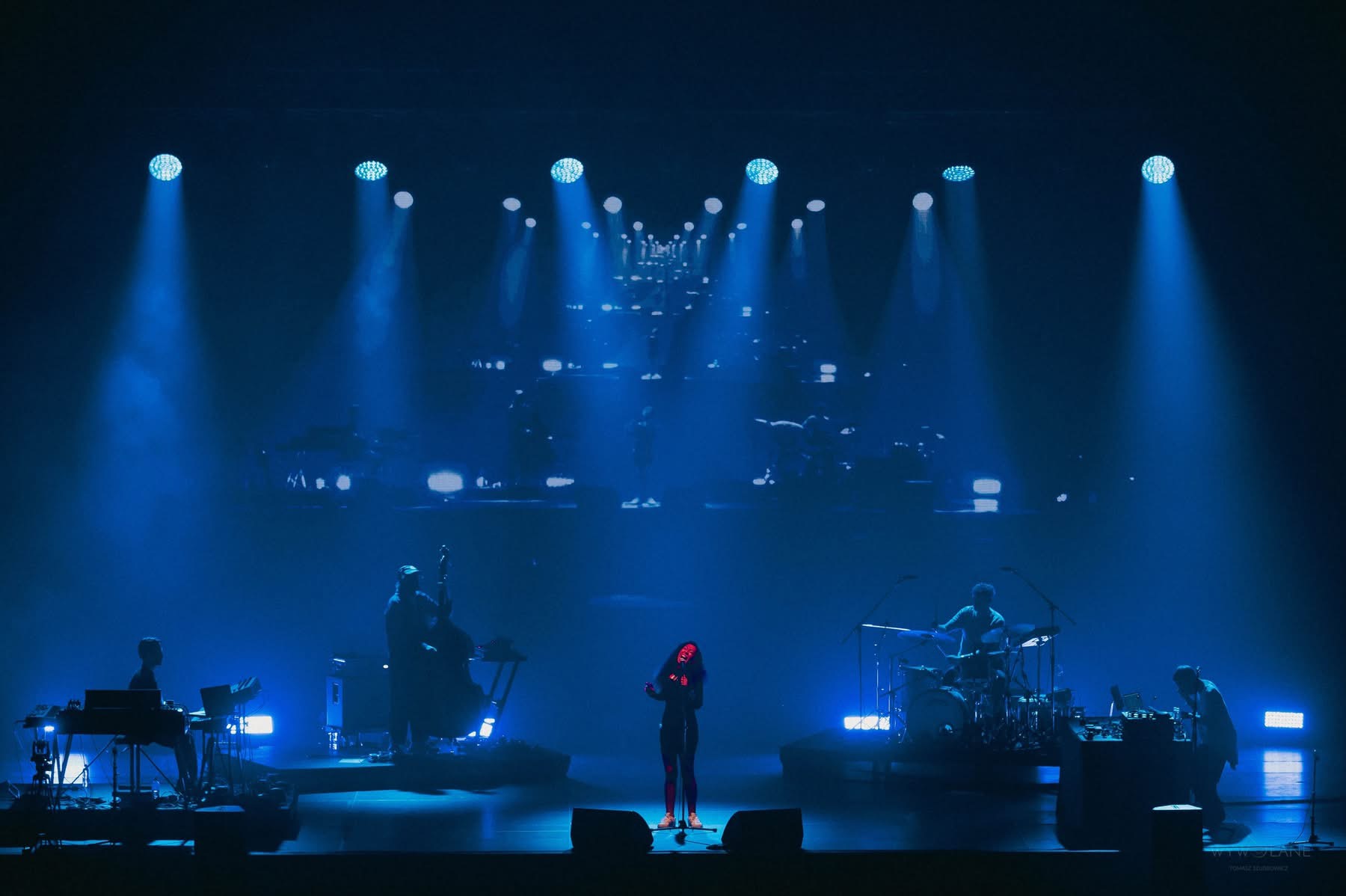
Band on a stage illuminated by blue spotlights.
1996 — TODAY

Our history

We began with concerts in Wrocław clubs. One Love Sound Fest, our booking work for Ethno Jazz Festival and the projects that followed opened up new musical directions and collaborations with artists from around the world. Discover the people, stages and ideas that have shaped LIONSTAGE and continue to inspire the events we create today.

LIONSTAGE — Wild since 1996
  1. 1996

    Beginnings in Wrocław clubs

    The beginning of this journey was LIONSTAGE Management, founded in 1996 by Tomasz Lektarski. Operations began in a reality vastly different from the contemporary concert market. Information about events was spread via posters, flyers, local media, and direct contacts. Guest lists were handwritten, and the organizer's recognition was built primarily through successive successful concerts and audience recommendations.

    Wrocław clubs, such as Amsterdam, Podium, Samo Życie, Rockers, and Pałacyk, were important meeting places for artists and listeners. In their spaces, music functioned close to the audience, and the boundary between the stage and the crowd was often more conventional than real. Such conditions taught direct collaboration, independence, and the ability to react to situations that were impossible to foresee in a schedule.

    From the beginning, alternative music, electronica, jazz, and reggae held a special place in the agency's activities. The programming was built around performers representing different musical languages, often operating outside the mainstream. Organizing concerts, therefore, also involved introducing audiences to less obvious propositions and creating the conditions for them to exist on the local scene.

    The early years helped develop the foundations of the agency's later modus operandi: direct communication, attentiveness to performers' needs, and taking responsibility for the entirety of an event. In small clubs, program selection, technical preparation, promotion, and audience relations were equally important. Over time, these same areas had to be coordinated for ventures involving larger bands, more extensive facilities, and international logistics.

  2. 2003

    Wrocław's alternative scene

    In 2003, Tomasz Lektarski, together with Paweł Piotrowicz, co-created the Sajkoffag Stage (Scena Sajkoffag)—a project recalling the traditions of Wrocław's 1980s alternative scene and the legacy of important figures in Polish music. Artists such as Lech Janerka, Martyna Jakubowicz, Robert Brylewski, and Voo Voo appeared on stage. The venture combined an interest in musical history with the need for its continued presence in the city's live music scene.

    The Sajkoffag Stage provided an opportunity for different generations of audiences to meet. For part of the public, it was a return to artists and sounds associated with their own experiences; for others, it was a chance to discover them through direct contact with the stage. In a broader perspective, the project served as a reminder that the development of musical culture involves both seeking out new phenomena and maintaining continuity with past achievements.

  3. 2004–2006

    One Love — from the WZ club to Centennial Hall

    A breakthrough moment came in 2004, when the first edition of the One Love Sound Fest took place at the WZ club on Wolności Square. The event quickly outgrew its original scale. The next edition was organized at the Feature Film Studio (Wytwórnia Filmów Fabularnych), and in 2006 the festival moved to Centennial Hall (Hala Stulecia), functioning at the time under the name People's Hall (Hala Ludowa). In just a few years, the club initiative developed into an endeavor described as the largest indoor reggae festival in Europe.

    One Love became a meeting place for various currents of Jamaican music and genres drawing from its traditions. Reggae, roots, dub, and dancehall coexisted with hip-hop, world music, and electronic experiments. Throughout subsequent editions, artists such as Anthony B, Jah Shaka, Inner Circle, Lee "Scratch" Perry, Gentleman, Max Romeo, Misty in Roots, Alpha Blondy, and Junior Kelly appeared on the festival stages. Alongside foreign performers, representatives of the Polish scene performed, including Vavamuffin, Natural Dread Killaz, Indios Bravos, and EastWest Rockers.

    The development of One Love also meant expanding organizational competencies. Preparing an event of this magnitude required combining programming work with technical planning, artist hospitality, promotion, and coordinating numerous partners. The experience gained during successive festival editions became an important foundation for LIONSTAGE's later productions.

    The significance of this project went beyond a single concert evening. A returning audience, a recognizable format, and a consistently developed program allowed for building a lasting relationship with attendees. One Love showed how an initiative rooted in a specific musical community could achieve international reach while maintaining a distinct identity.

  4. 2008

    Ethno, Jazz and further musical directions

    Since 2008, the agency has been co-organizing the Ethno Jazz Festival. The project expanded the scope of activities to include new areas of jazz, ethnic music, and world music, creating a space for performers moving freely between tradition and modernity. Presenting artists with diverse cultural and aesthetic backgrounds, united by an individual way of thinking about music, became a core element of the program.

    As part of this collaboration, artists such as Herbie Hancock, Al Di Meola, Bobby McFerrin, Jan Garbarek Group featuring Trilok Gurtu, Lizz Wright, Nigel Kennedy, Asaf Avidan, Basia Trzetrzelewska, Yasmin Levy, Shabaka and the Ancestors, Nouvelle Vague, and The Bulgarian Voices Angelite have performed in Wrocław. The program also included "The Music of Hans Zimmer" project performed by Ensemble La Chapelle Sauvage.

    Such a broad artistic scope required a flexible approach to production. An intimate vocal performance, a jazz band concert, and an extensive instrumental project present the organizer with completely different tasks. In each case, the right choice of venue, the preparation of acoustic and technical conditions, and the creation of a space where the audience can fully focus on the performance remain crucial.

    In parallel, the Reggae Picnics in Chocianów, organized until 2009, remained an important part of the operations. Their outdoor character fostered gatherings of the community centered around reggae and soundsystem culture. In the agency's history, they served as a complement to large indoor events—highlighting the importance of endeavors whose strength stems from the atmosphere, regularity, and bonds among the participants.

  5. 2009

    Wrocławski Sound and City Sounds

    In 2009, Wrocławski Sound was launched, a project co-created by LIONSTAGE dedicated to the local music scene. The first edition took place at the Impart Art Center and presented artists representing electronica, jazz, hip-hop, and alternative music. The lineup included L.U.C., Oszibarack, Digit All Love, Me Myself And I, Mikrokolektyw, and The Kurws. The concerts were also accompanied by visual and artistic activities.

    The premise of Wrocławski Sound was to showcase the diversity of the local community and create a platform for both recognizable performers and new projects. Wrocław was treated here as the birthplace of its own original sounds, and its musical identity was presented through specific bands, personalities, and artistic explorations.

    Over time, the venture evolved into the WROsound festival, which was developed in subsequent years by new creators and curators. The early stage, associated with the work of Tomasz Lektarski and LIONSTAGE, remains an important part of its history. It was a period of intensive showcasing of Wrocław performers and building interest in the potential of the local scene.

    Between 2009 and 2025, we co-organized Wrocław University of Science and Technology’s Juwenalia student festivals, including Wittigalia and events held under the YouWRO and #WrocławRazem names. Across different editions, their stages hosted artists including Kult, T.Love, Myslovitz, Kaliber 44, O.S.T.R., Quebonafide, Vito Bambino, Miuosh, Grubson, Enej, Łąki Łan, Mery Spolsky, Nocny Kochanek and Kacperczyk. These events form an important chapter in LIONSTAGE’s history, combining large outdoor productions with long-standing cooperation with Wrocław’s academic community.

    At the beginning of the next decade, concert activities were enriched by City Sounds—a series initiated by Maciej Szabatowski, produced with the participation of LIONSTAGE. Its program focused on contemporary sounds bridging electronica, soul, jazz, club, and alternative music. The goal was to regularly present both established performers and artists who were just gaining wider recognition in Wrocław.

    City Sounds developed the idea of discovering music through live concerts. The regularity of the events made it possible to maintain contact with the audience between larger festivals, and the broad programming format opened up space for phenomena difficult to pigeonhole into a single genre. Within the agency's operations, this was another example of combining organizational experience with a curiosity for new artistic directions.

  6. 2012

    Wrocław finales of the Great Orchestra of Christmas Charity (WOŚP)

    In 2012, an important chapter began regarding cooperation with the Great Orchestra of Christmas Charity Foundation (WOŚP). By the decision of Jerzy Owsiak, LIONSTAGE was entrusted with the responsibility for the technical and logistical production of the Wrocław WOŚP finales. The beginning of this collaboration stemmed from a direct invitation extended to Tomasz Lektarski—an event he recalled years later during an interview on Radio RAM.

    Preparing a WOŚP finale requires combining a stage program with the extensive organization of a city-wide event. It is necessary to coordinate the work of artists, technical crews, partners, and people involved in accompanying activities. The experience previously gained at club concerts and festivals found application here in an undertaking whose significance also encompasses collective action for a social cause.

  7. 2014

    Nut Ferment — music and conversation

    In 2014, Nut Ferment was launched at the Capitol Musical Theatre in Wrocław—a live musical talk show staged on the Pressure Stage (Scena Ciśnień). Konrad Imiela was responsible for the script, direction, and hosting, while Tomasz Lektarski handled production. Artists were selected jointly by Konrad Imiela, Tomasz Lektarski, and Rafał Zieliński. The first installment took place on October 12, 2014, featuring the bands Kariera and OCN, as well as Natalia Lubrano.

    The format of Nut Ferment combined performances with conversation and the mutual interpretation of the invited guests' work. The original premise was that each episode featured three performers—soloists or bands—presenting their own songs as well as a selected song by another participant from the same meeting. This concept allowed for showcasing well-known songs in a new context and creating artistic situations that went beyond a standard concert.

    The first season of the series focused on the Wrocław community. In 2017, musicians from cities that had previously competed for the title of European Capital of Culture were invited, while the 2018/2019 season paired stars with debutants. The recorded performances were made available online, allowing the project to reach people not present in the Capitol's audience.

    Over 60 artists performed throughout the series, and its output included several dozen concerts and episodes. Nut Ferment expanded the agency's event organization experience into the production of an audiovisual format. It required blending the needs of the live audience in the hall with camera work, sound recording, and preparing the material for later viewing. This also created an archive of meetings, performances, and arrangements that might otherwise have remained a one-time stage experience.

  8. Later years

    Collaboration with institutions and artists

    Over the following years, collaboration with cultural institutions and public partners was expanded. The agency's portfolio grew to include projects realized with the National Centre for Culture, the European Solidarity Centre, the Warsaw Uprising Museum, the Capitol Musical Theatre, the Stage Songs Review (PPA), and the Ministry of Culture and National Heritage. This scope of cooperation encompassed various contexts of music's presence—from concerts and artistic projects to events integrated into broader cultural programming.

    Simultaneously, booking and production collaboration with performers from Poland and abroad was consistently developed. Realizations included participation in concerts and projects by artists such as Sinéad O'Connor, Erykah Badu, Manu Chao, and The Cranberries. Each of these collaborations involved a different artistic and organizational dynamic, expanding the agency's experience in handling diverse concert productions.

    The reggae and world music scene remained a significant area of focus. LIONSTAGE also handled the booking of artists representing these genres for Przystanek Woodstock (now Pol'and'Rock Festival). As part of this collaboration on reggae concerts, artists such as Damian Marley, Alpha Blondy, Shaggy, SOJA, Ziggy Marley, and Ky-Mani Marley performed there. The agency's presence at these events combined its musical specializations with the experience of working on large outdoor festivals.

    On the Polish market, the agency collaborated with acts such as Jamal, Mesajah, Natural Dread Killaz, Abradab, Kaliber 44, L.U.C., and the bands Illusion and Lipali. The scope of activities covered concert tours, single performances, and special projects. The diversity of these productions required adapting the working method to different genres, audiences, and stages of the performers' artistic development.

    Collaboration with an artist begins long before the day of the concert. It includes agreeing on the terms of the performance, matching the date and venue, preparing communications, and translating stage needs into concrete production arrangements. With tours, there is the added necessity of coordinating multiple events into one cohesive plan. It is precisely in this daily work, often invisible to the public, that much of the agency's experience is accumulated.

    As part of management and impresario care, LIONSTAGE cooperates with artists such as Maria Sadowska, DAGADANA, Big Day, Dr Misio, Arek Jakubik, and NO LOGO. Activities include concert planning, negotiations, production coordination, and ongoing contact with organizers. The goal is to create conditions in which stage activity can be developed in an orderly manner, taking into account the unique nature of a given project.

    Long-term cooperation requires knowledge of the repertoire, the band's working methods, and its audience's expectations. It also allows for a better selection of events, venues, and partners. From the organizer's perspective, this means access to information needed to prepare the concert, and from the artist's perspective—support in organizational matters accompanying their stage presence.

    WINDRAP! Orchestra

    Released on 22 April 2022, the album “WINDRAP! Orchestra” brought together the symphonic sound of the Polish National Wind Orchestra and hip-hop. At LIONSTAGE, we were the main producer of both the album and the concerts promoting the project.

    Conceived and led by Mariusz Dziubek, the project featured original compositions with artists including Liroy, Łona, Abradab, Grubson, DAGADANA, NO LOGO and Maria Sadowska. Beat producers included Abradab and Matheo. It brought the scale of an orchestra together with the rhythm and expression of Polish rap.

    Discover WINDRAP! Orchestra

  9. 2026

    New festivals

    New projects related to electronic music, including the Wroclove Deep House Festival, became another direction of development. Its concept combined a musical program with high-quality sound, visual settings, and the unique character of the space. In the format prepared for 2026, the point of reference was the Pergola at Centennial Hall—a location that allows contemporary club culture to be juxtaposed with architecture recognized as one of Wrocław's symbols.

    This direction represents an expansion of the interest in electronica that has been present in the agency's activities since its beginnings. It also demonstrates how the methods of presenting music evolve alongside changes in the concert market. The entirety of the experience is increasingly important: the relationship between the repertoire, venue, lighting, sound, and the audience's way of participating.

  10. Today

    LIONSTAGE today

    Currently, LIONSTAGE's operations are based on three main pillars: booking foreign artists, managing Polish performers, and producing concerts and comprehensively organizing events. These areas complement each other. Knowledge of the artistic market supports program creation, production experience helps assess implementation possibilities, and constant collaboration with performers allows for a better understanding of their needs.

    The agency's services are utilized by festival organizers, cultural centers, public institutions, clubs, local government partners, and commercial brands. Depending on the nature of the assignment, the collaboration covers a selected range of activities or full event preparation: from the initial concept and program consultations, through contracting artists, logistics planning, and technical production, to on-site coordination, communication, and post-production.

    The experience developed at large concerts is also applied during intimate corporate events and special projects. A smaller scale entails different proportions and expectations, but it still requires precise preparation. The choice of performer, program length, the character of the space, and the way the event is conducted should form a cohesive whole corresponding to its purpose.

    In production work, translating an artistic idea into a feasible plan is of particular importance. This involves defining the scope of tasks, the schedule, technical needs, and the responsibilities of individual people. Clear arrangements facilitate cooperation for all participants in the process—artists, organizers, technical crews, and event partners.

    Relationships and the ethics of cooperation also remain a vital element of the agency's modus operandi. The concert industry is based on mutual trust, punctuality, and a responsible approach to commitments. Long-term value is therefore built by the visible effect on stage, the quality of communication during preparations, and the way the project is concluded after the final performance.

    LIONSTAGE's headquarters is located in Wrocław. This is where upcoming concerts, tours, festivals, and special ventures are planned. However, its operations include collaboration with organizers and partners throughout Poland and abroad. International contacts were developed, among other things, during the period of running a branch in Edinburgh, expanding the network of relationships with foreign agencies, promoters, and concert venues.

    Over three decades, almost the entire environment of concert organization has changed. Printed promotional materials have been supplemented by digital communication, internet recordings have prolonged the life of events, and the development of technology has expanded production capabilities. In this changing reality, experience remains useful when accompanied by a curiosity for new phenomena and a readiness to adapt working methods.

    LIONSTAGE remains an independent concert, booking, and production agency, rooted in Wrocław and operating within the international music circuit. Its portfolio consists of both large events and intimate gatherings, long-term collaborations, and single concerts remembered by audiences. Subsequent projects add new chapters to the history that began in the clubs of the 1990s—a history built through work with music, artists, and people for whom a concert remains an exceptional experience.

Back to the top ↑