
DAGADANA – “HOLA HOLA”, A MUSIC VIDEO THAT BREAKS THE SILENCE
In the “Hola hola” video, DAGADANA returns to a folk song in which a mother warns her daughter about violence. The project draws on a song Daga Gregorowicz learned from Anna Chuda, with representatives of the Biskupian folk tradition appearing in the film.
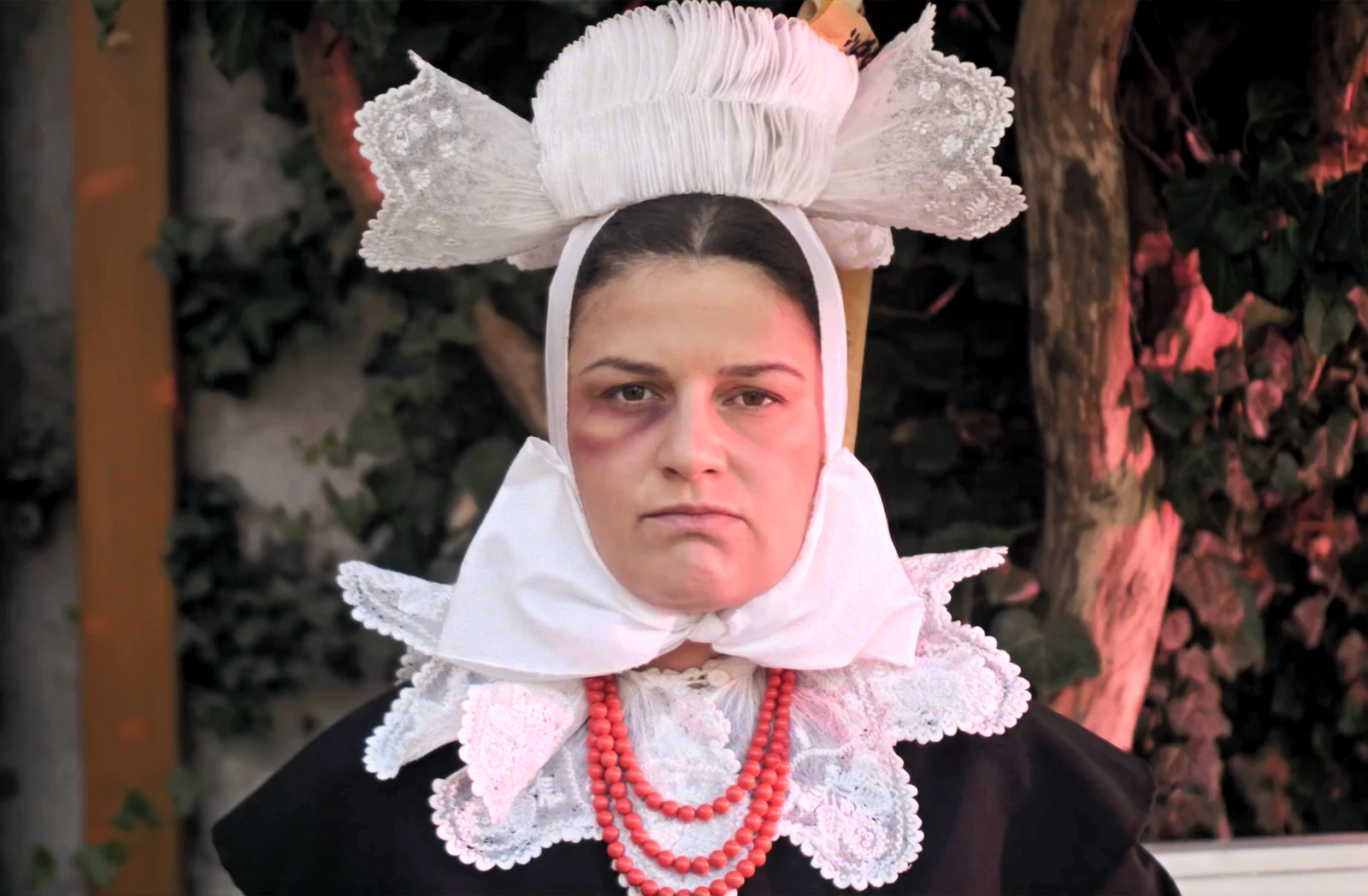 Dagadana - Hola Hola (fragment teledysku)
DAGADANA presents “Hola hola”, a music video that draws a story from a traditional folk song and reveals its relevance to listeners today. Created in collaboration with Niebieska Linia IPZ, the project addresses domestic violence and silence passed down through generations. A conversation between a mother and daughter becomes a starting point for reflecting on warnings, fear and the need to seek support. Music allows these words to be heard anew, retaining their connection to a folk source while placing them in a contemporary context. Discover the song's history and a project encouraging people to break the silence around experiences hidden behind closed doors.
Hola hola – a story about breaking the silence
"Hola Hola" takes the form of a conversation between a mother and her daughter. A young girl, eager to get married quickly, asks for help in hastening the wedding. In response, however, she hears a series of warnings that reveal the many facets of violence—psychological, physical, and symbolic—that can occur after marriage. Although the song is folk in nature, it addresses an issue present in both rural and urban settings, regardless of time and place.
One of the project's strongest points is its reversal of the well-known, deeply ingrained cultural slogan: "Don't tell anyone what's happening at home." The team, in collaboration with the IPZ Blue Line, symbolically removes the prohibition expressed by "don't", creating the message: "Tell them what's happening at home." This is a clear appeal to respond, seek help, and overcome the shame that has plagued those experiencing violence for years.
Biskupizna – the song’s folk origins
The song comes from the tradition of Biskupizna – a folkloric microregion encompassing twelve villages around Krobia, near Gostyń. For centuries, this area belonged to the bishops of Poznań, a fact reflected both in the region's name and the nicknames given to its inhabitants – Biskupian and Biskupianki. Biskupian songs, despite their rich symbolism and authenticity, often address difficult, dark themes. As Anna Chuda of Posadowo, a master of the tradition from whom Daga Gregorowicz learned this song during the Greater Poland Caravan, repeatedly emphasized, many of these songs were not passed down due to shame and the "sad truth" they conveyed.
The music video for "Hola Hola" featured members of the Biskupiański Folkloristic Group from Domachów and the surrounding area, further strengthening the message's authenticity and its roots in living tradition. At the same time, the project was supplemented with expert input, as domestic violence is a phenomenon shrouded in myths and complex psychological mechanisms that often make it difficult to recognize the situation and seek help.
Working with Niebieska Linia IPZ
The collaboration with the IPZ Blue Line doesn't end with the video itself. The organization is also supporting the team during the premiere and media outreach, to reach as many people as possible who feel lost, and sometimes aren't even aware they're experiencing violence. The premiere of the music video is no coincidence – it falls on the 30th anniversary of the IPZ Blue Line, further emphasizing the project's social dimension.
People who need help and support can use the 24/7, free helpline at 116 123 or via the platform www.116sos.pl. Project slogan: #mowcosiedziejewdomu.