
Madredeus: Portuguese songs, acoustic guitars and Lisbon’s fado inspirations
Madredeus connect Portuguese songs and acoustic guitars with Lisbon’s fado influences. The Wrocław announcement also introduces “Metafonia”, an album that expands the intimate sound with harp, a rhythm section and the voices of two singers.
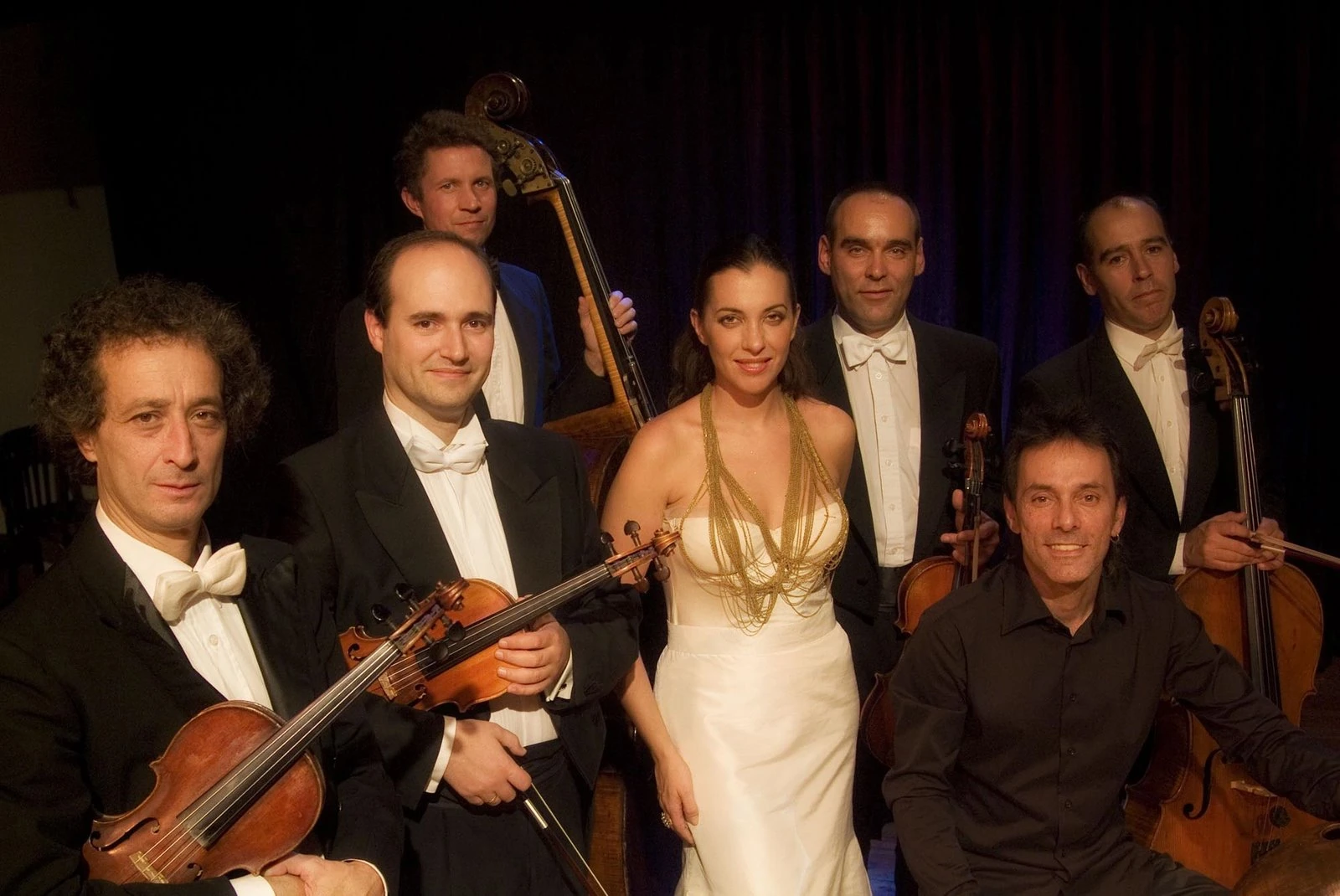
Madredeus comes from Lisbon and borrowed its mysterious name from the Madre de Deus monastery in the eastern part of the city. Madredeus can be described as the band that popularised authentic Portuguese fado music in Europe.
However, this traditional music of Lisbon's waterfront districts, a kind of Portuguese blues comparable to Spanish flamenco or Argentine tango, is not the only inspiration behind the band's passionate, nostalgic compositions.
The extremely atmospheric, poetic songs, styled after fado, are performed with acoustic guitars and delicate, spacious synthesiser sounds by singer Teresa Salgueiro. Her clear, strong voice and almost vibrato-free delivery recall early music singers rather than world music vocalists.
The musicians won Portuguese audiences’ hearts with their quasi-religious message, Teresa Salgueiro’s deep, moving voice and seemingly leisurely, atmospheric melodies, evoking the unique mood of Lisbon’s outskirts and Atlantic cafés caressed by a gentle breeze. It soon became clear that Madredeus had embarked on a long and extraordinary journey. Their second album, “Existir” (1990), transported listeners to other realms, while the band, speaking the universal language of emotion, captivated audiences wherever they took their music.
An appearance in the film “Lisbon Story” in 1994 brought the band international popularity.
A new Madredeus album was released in Portugal on 20 October 2008, marking a breakthrough for the band. “Metafonia” is a double album, released independently by Pedro Ayres Magalhaes and Carlos Maria Trindade and distributed by Farol Music.
For a long time, the musicians had been considering how to expand the line-up and change the arrangements so they could also present their music at large outdoor concerts and festivals.
In December 2007, Madredeus began introducing harp into their sound. They also reworked both older and newer repertoire while auditioning new singers. Two extraordinary vocalists, Rita Damásio and Mariana Abrunheiro, eventually joined the band. The group also began a regular collaboration with harpist Ana Isabel Dias, invited Afro percussionist Ruca Rebordão, and added a rhythm section of Sergio Żurawski on electric guitar, Gustavo Roriz on bass guitar and double bass, and Babi Bergamini on drums. Violinist Jorge Varrecoso made a guest appearance on the album. Recording took place in August at Music Nomada studio, owned by keyboardist Carlos Maria Trindade.
With the new musicians, the band achieved its intended goal. Since then, it has played both intimate concerts in its traditional style and ambitious productions for large audiences together with Banda Cosmica.
Madredeus's new repertoire aims to present new musical concepts sung in Portuguese at large concerts. The artists perform their own compositions, inspired by influences from different musical traditions, from European and Brazilian music to West African folk music.
Event details
Madredeus
14 October 2009
St Mary Magdalene Church
Wrocław